What's a Horse Health Day?
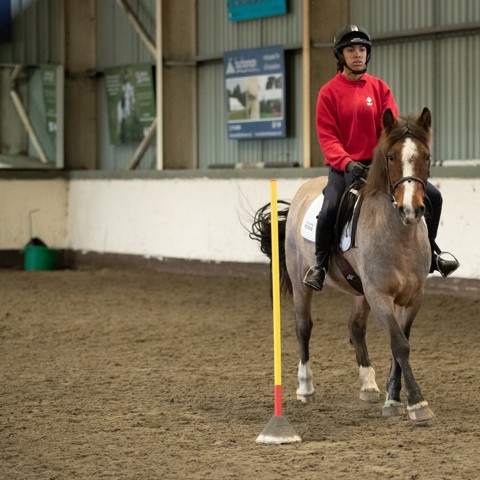
Our Horse Care and Welfare team are available to visit any livery yard or riding school (BHS approved or non-approved), colleges or equestrian centres with our healthcare vehicle and weighbridge.
We’ll work directly with you and practically demonstrate how to fat score your horse (also known as body condition scoring), so you can confidently assess your horse in the future. We provide tailored advice about weight management options and additional ongoing support. We’ll also use a weigh tape and the weighbridge to accurately determine your horse’s weight.
We also run sessions at riding club and pony club camps to help educate and support the next generation, which can include presentations and fun interactive games such as 'guess the weight of the pony'.
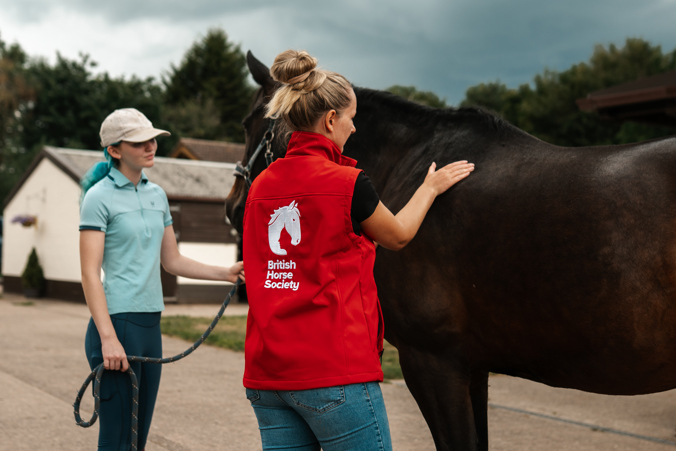
There’s no pressure on the day, it’s important not to rush your horse to stand on the weighbridge. Horses often stop and sniff the weighbridge, so we allow plenty of time for them to gain confidence at their own pace.
Handlers are advised to wear appropriate PPE (riding hat and gloves), with the horse wearing a bridle for extra control if needed.
Disease prevention is hugely important, so we have strict equine biosecurity guidelines in place for all our events.
Why do we hold Horse Health Days?
chevron-down
chevron-up
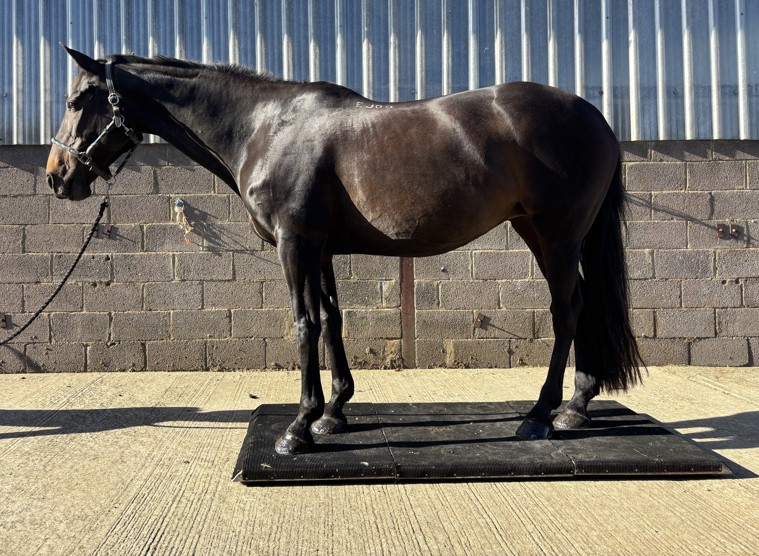
Worryingly, in the UK up to 50 percent of horses are reported to be overweight or obese, with this figure creeping up to 70 percent in some native pony breeds1. Most yards don’t have access to a weighbridge, so we want to offer this opportunity to as many people as possible.
Horses often have access to quality grazing all year round, and are exposed to milder winters with additional rugging and stabling. This means they use less energy to keep warm and if excess calories are being eaten, horses can easily gain weight (and therefore fat).
Horses carrying excess fat can be at an increased risk of health issues such as Equine Metabolic Syndrome (EMS), laminitis and arthritis, which can negatively impact their welfare.
Weight management can be a constant challenge. It's a tricky balance between providing the right diet, health care, exercise and management. We understand how difficult it can be — we never judge and are here to help.
In Great Shape
chevron-down
chevron-up
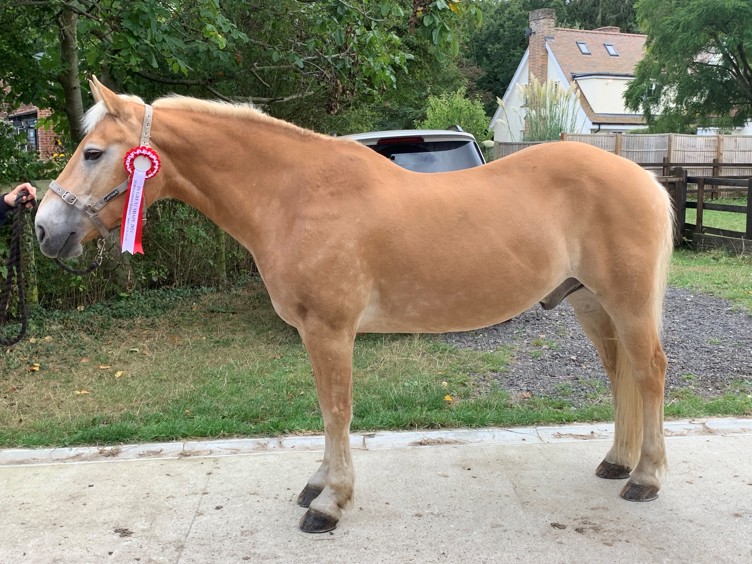
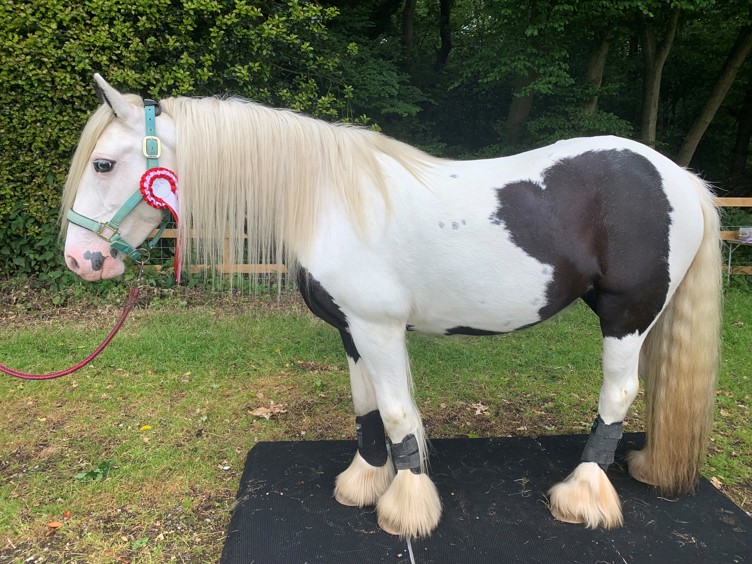
Maintaining your horse at a healthy fat score can challenging for many of us. To acknowledge those horses assessed at a healthy fat score of 2.5–3 out of 5, the team will award an ‘In Great Shape’ rosette.
Why it’s important to know your horse's weight?
chevron-down
chevron-up
- Forage — most horses can maintain their weight by eating 2–2.5 percent of their body weight in forage per day. You should seek expert advice from your vet or equine nutritionist if your horse needs to lose or gain weight.
- Medication or worming dose is calculated on your horse’s weight.
- Trailer/lorry loads — there’s a maximum legal weight limit for your trailer or horse box. It’s important to know how much your horse and equipment weighs to keep you and your four-legged friend as safe as possible when travelling.
Rider suitability
chevron-down
chevron-up
Lots of organisations and event teams now include rider weight guidance into their rule books.
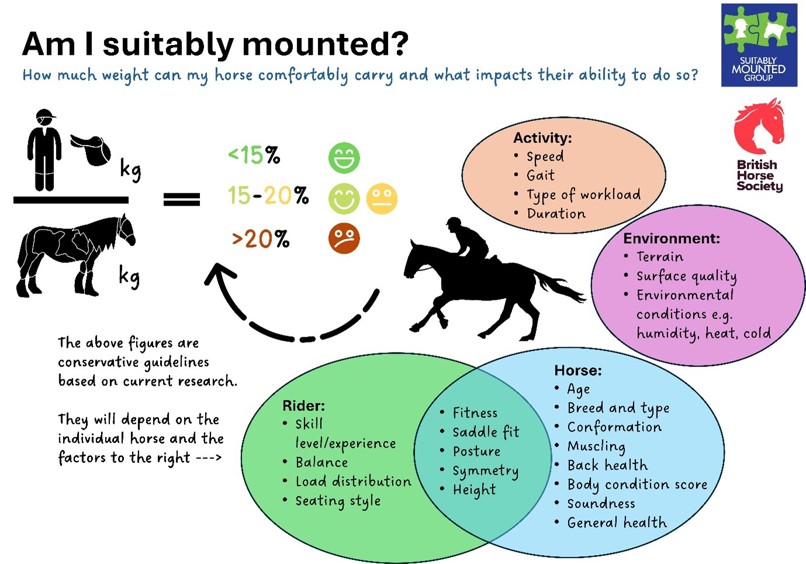
Most organisations suggest that a rider and their equipment (for example, tack, riding hats, body protectors) weigh no more than 20 percent of their horse’s bodyweight. This is based on your horse being a healthy weight. If they’re carrying more than is ideal themselves, the rider weight percentage needs to be decreased. The infographic below highlights the additional factors to consider.
It’s good to check with the individual organiser for guidance as this can change, there are many factors that can affect how much a horse can comfortably carry.
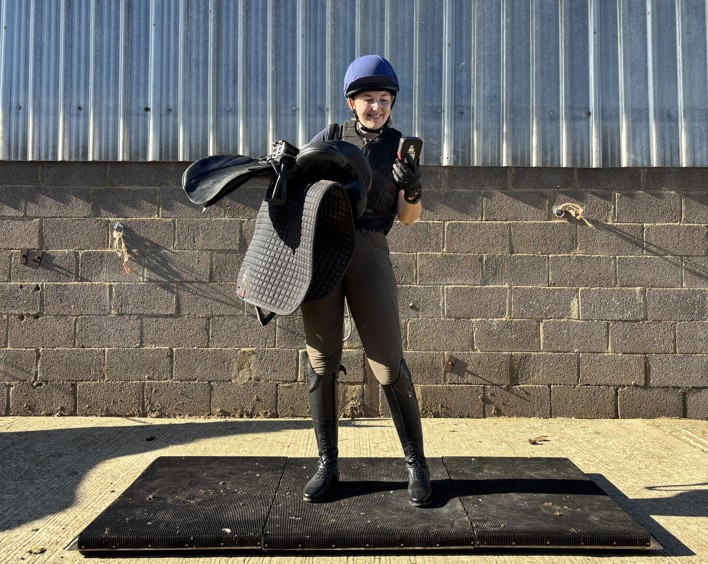
It can be surprising how much your equipment weighs, so we encourage everyone to gather all their tack and equipment and hop on the weighbridge. This weight reading is completely confidential and if you’d prefer, the handset will only be visible to you. We’re more than happy to help you work out 20 percent of your horse’s bodyweight and then you’ll be able to see where you sit within that guidance.
Booking your visit
If you feel your yard would benefit from our Horse Health Days and would like further information, please email us at welfare@bhs.org.uk or call 02476 840517*. The days are free, but to help us continue our charitable work we do ask participants to consider giving a donation.
Opening times are 8.35am–5pm from Monday – Thursday and 8.35am–3pm on Friday.
*Calls may be recorded for monitoring purposes.
Reference
- Rendle, D. et al., (2018) Equine obesity: current perspectives UK-Vet Equine. 2(5)